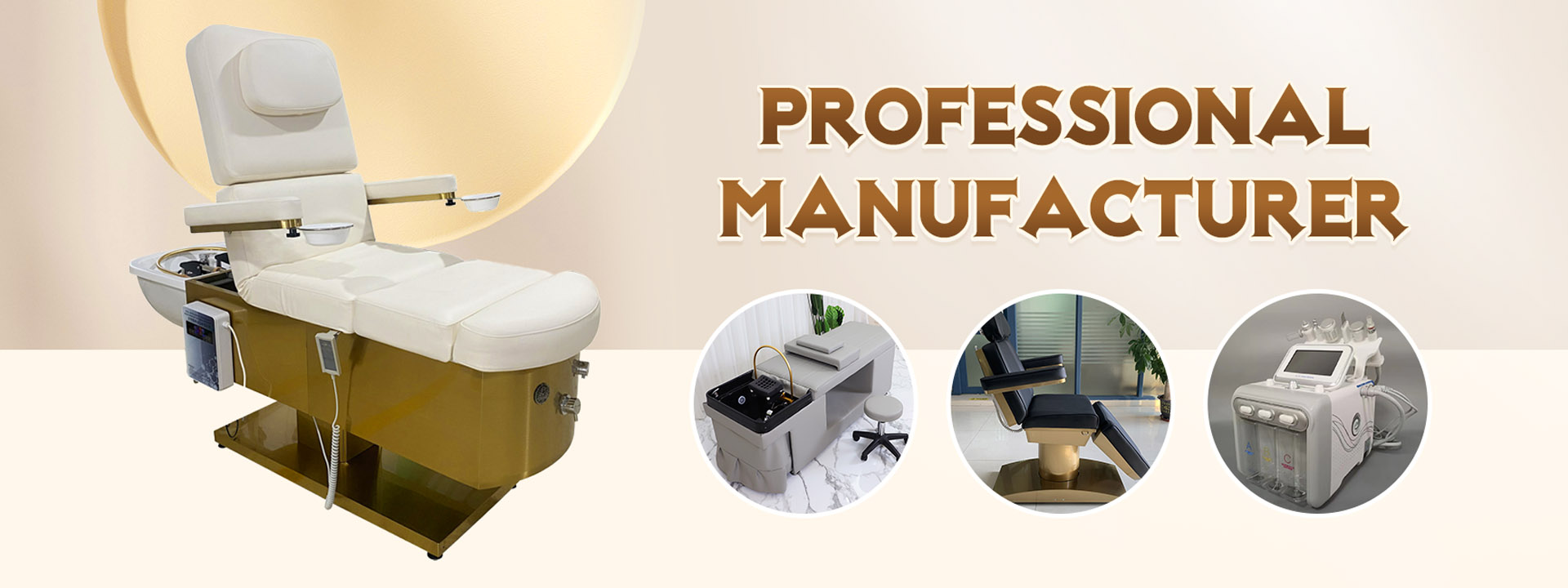
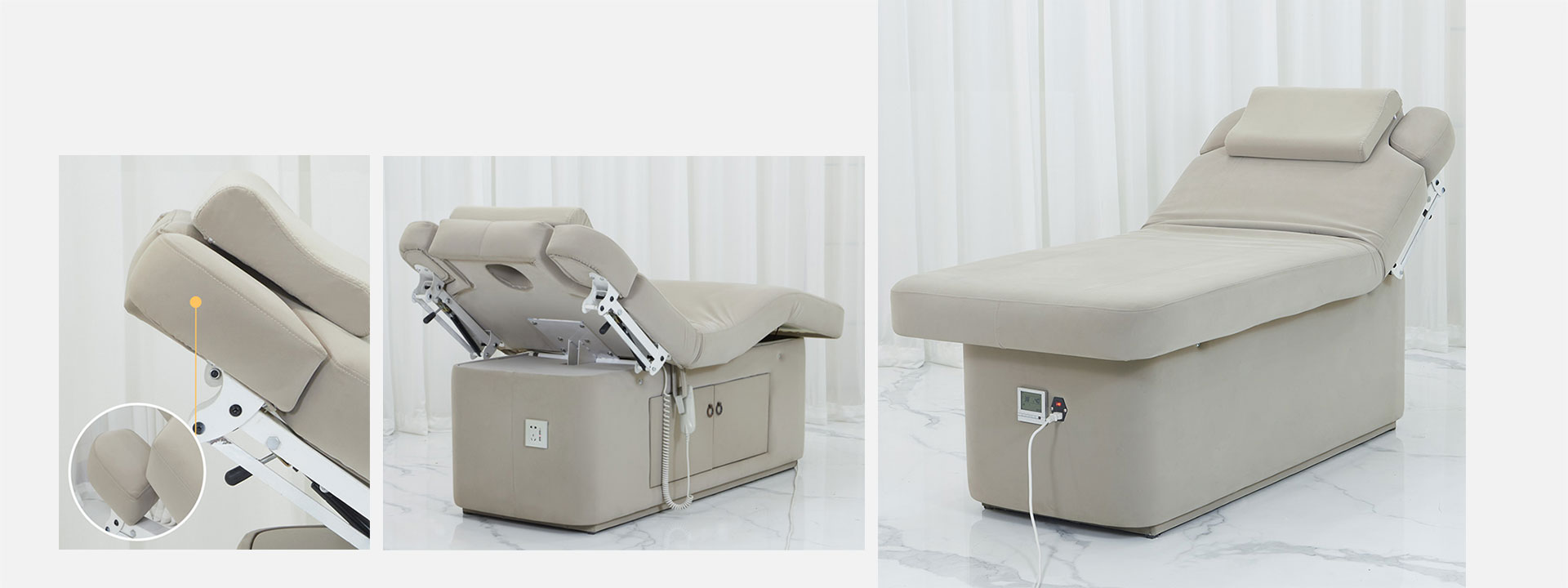
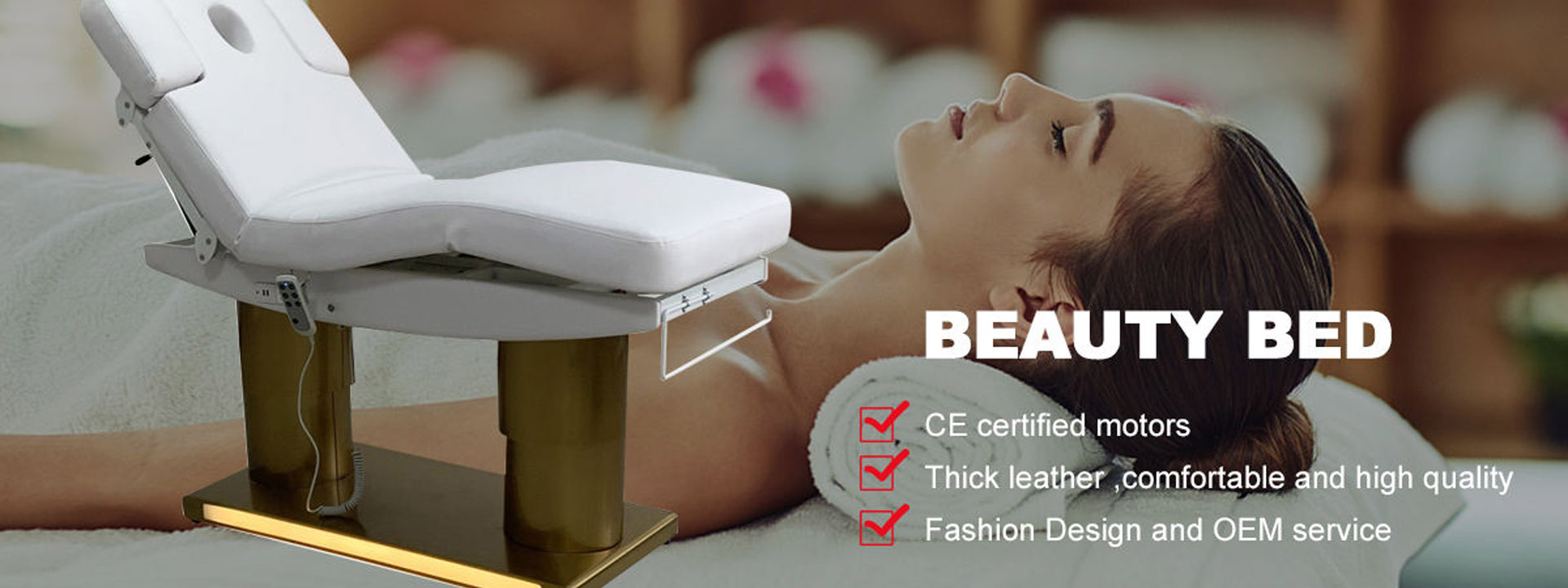
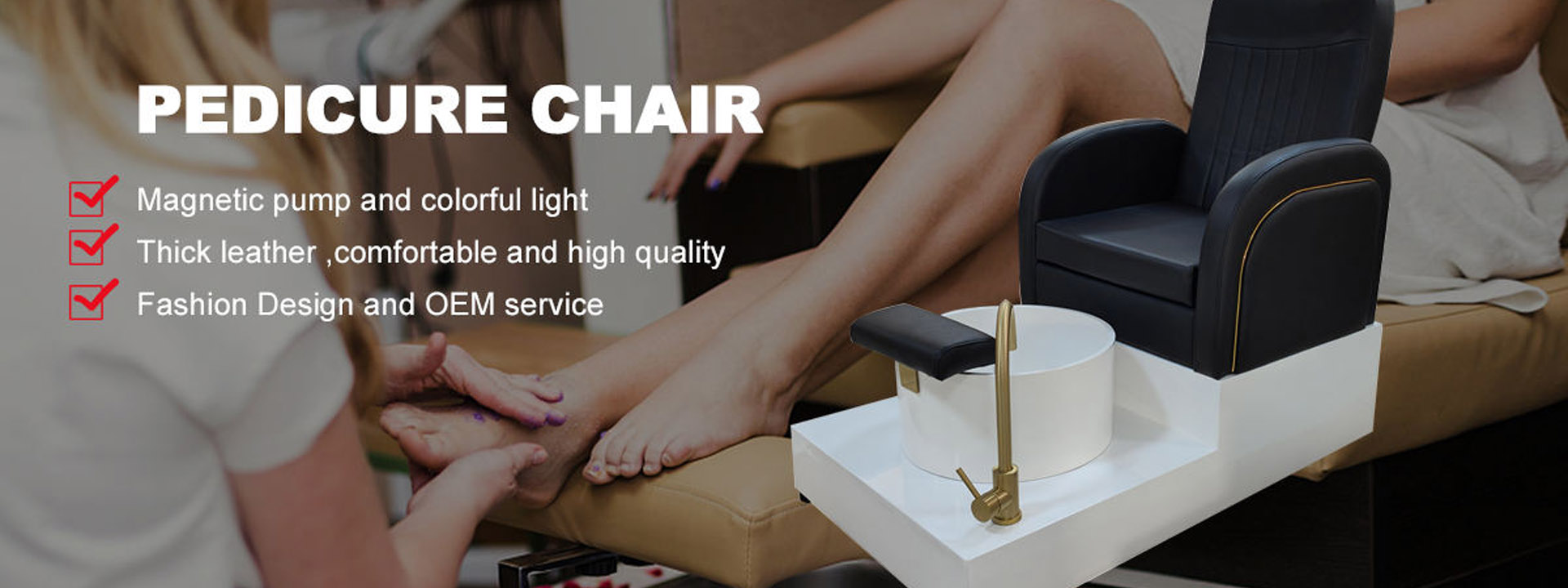
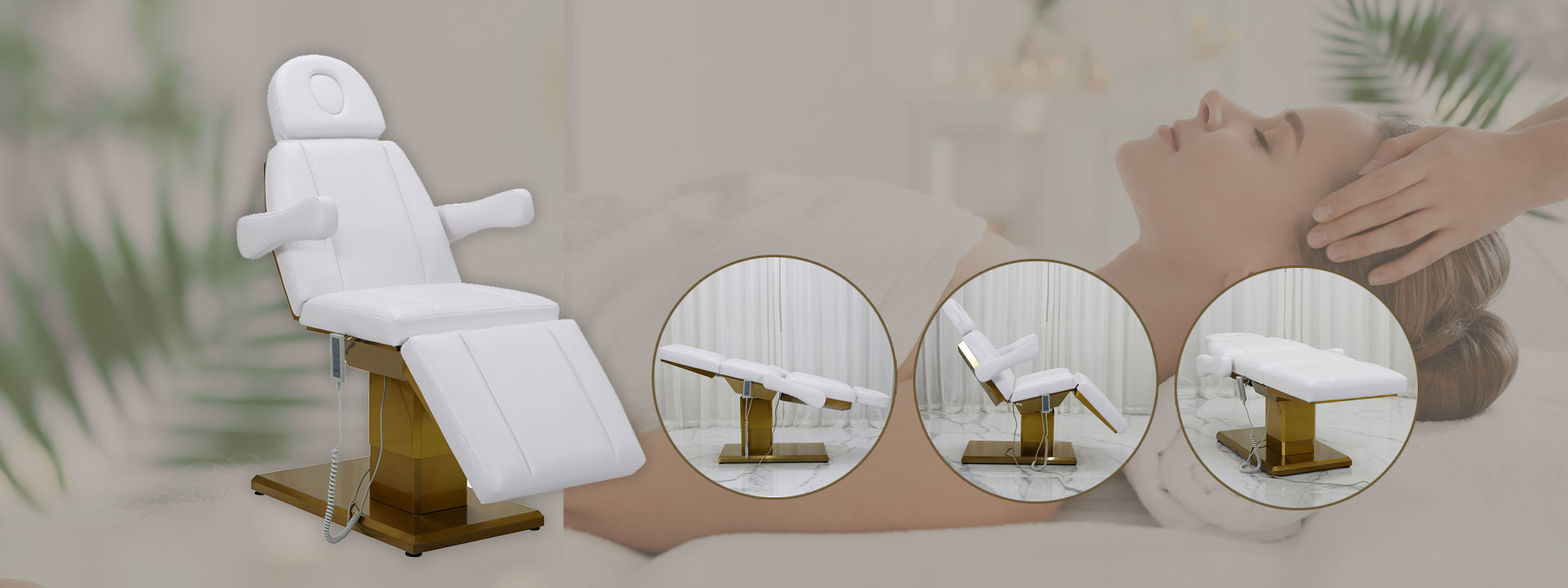
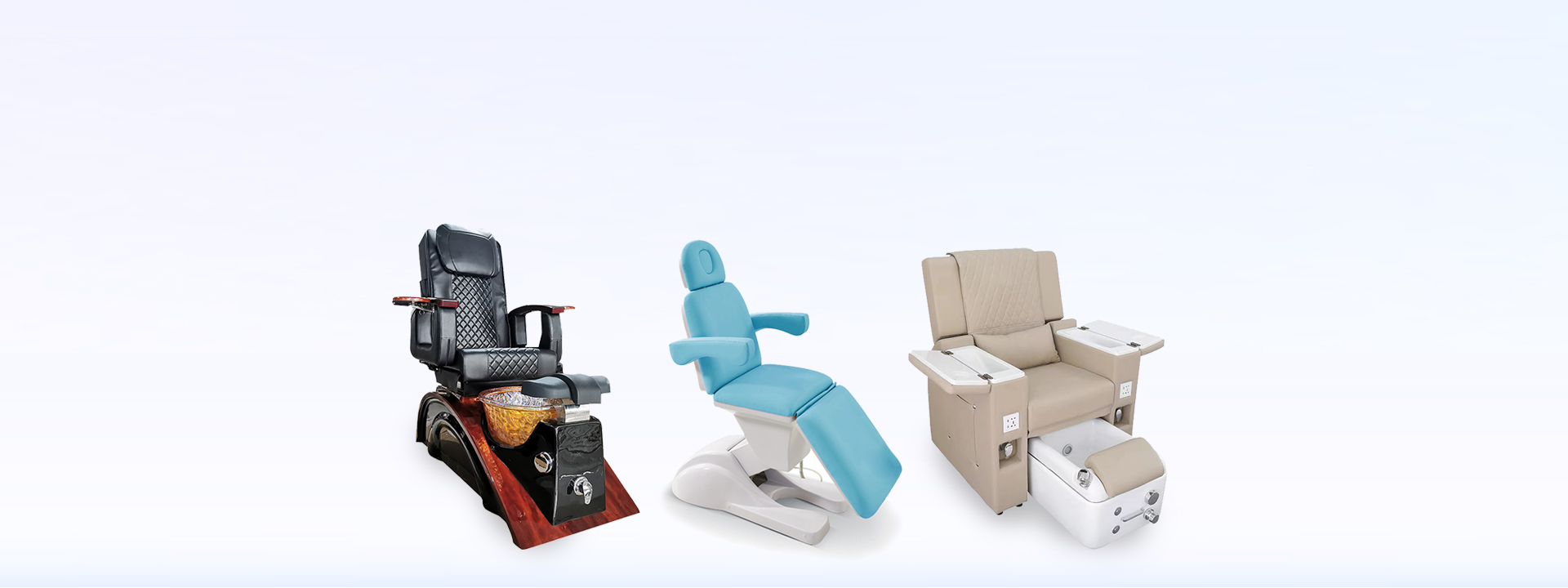
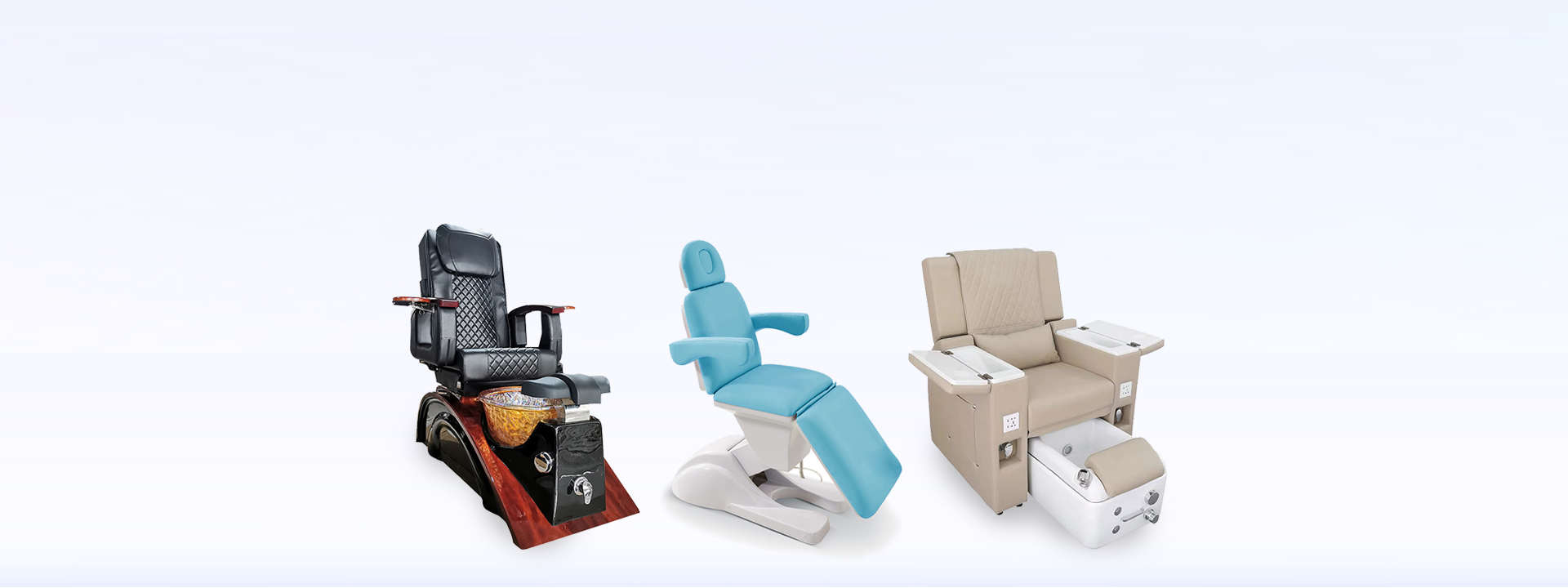
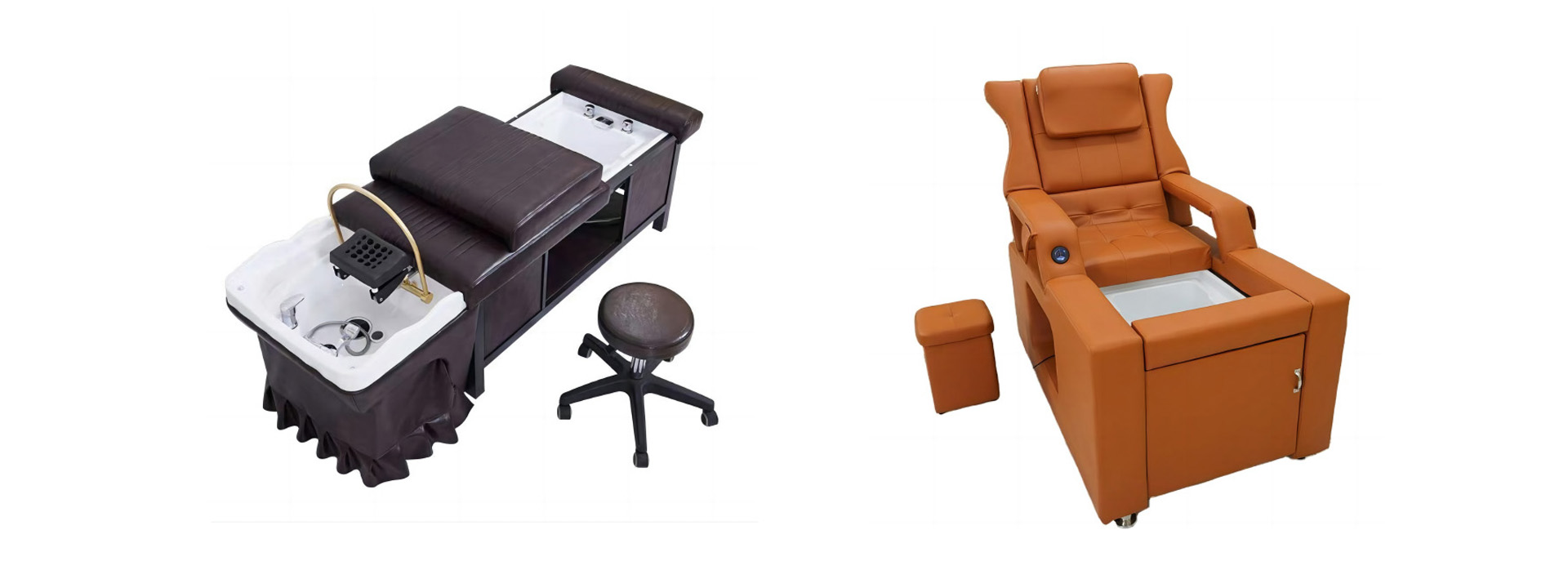

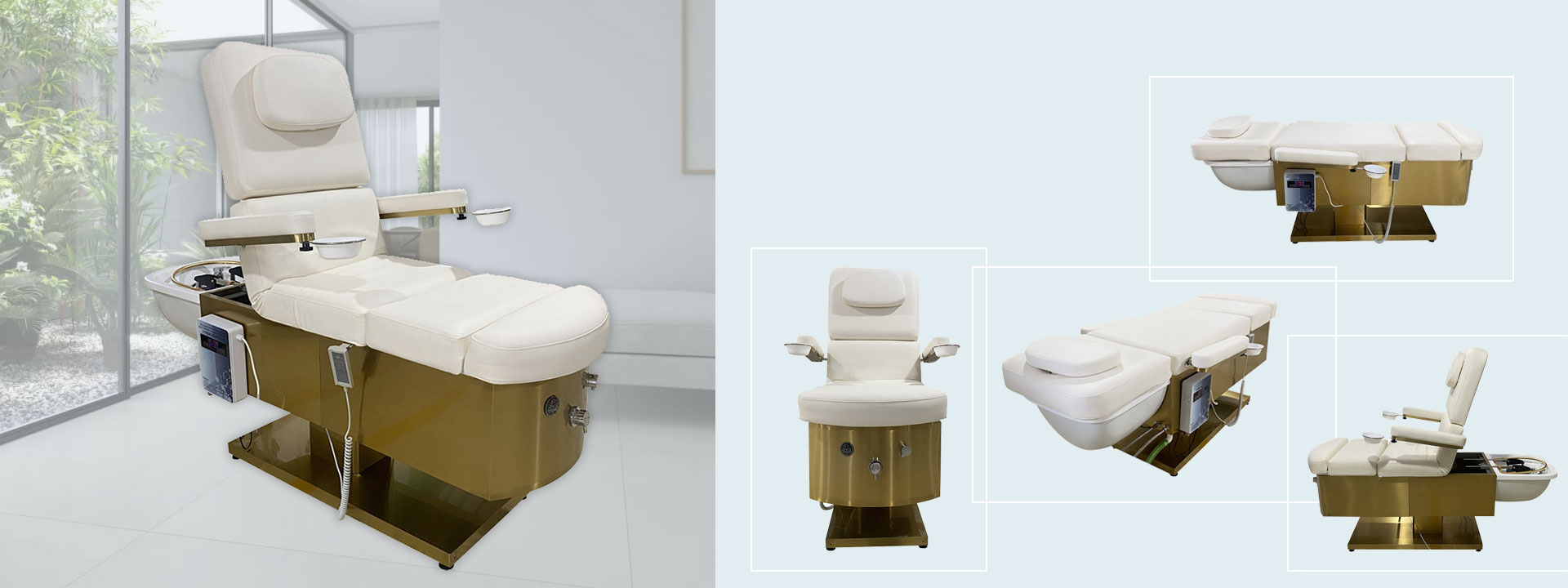

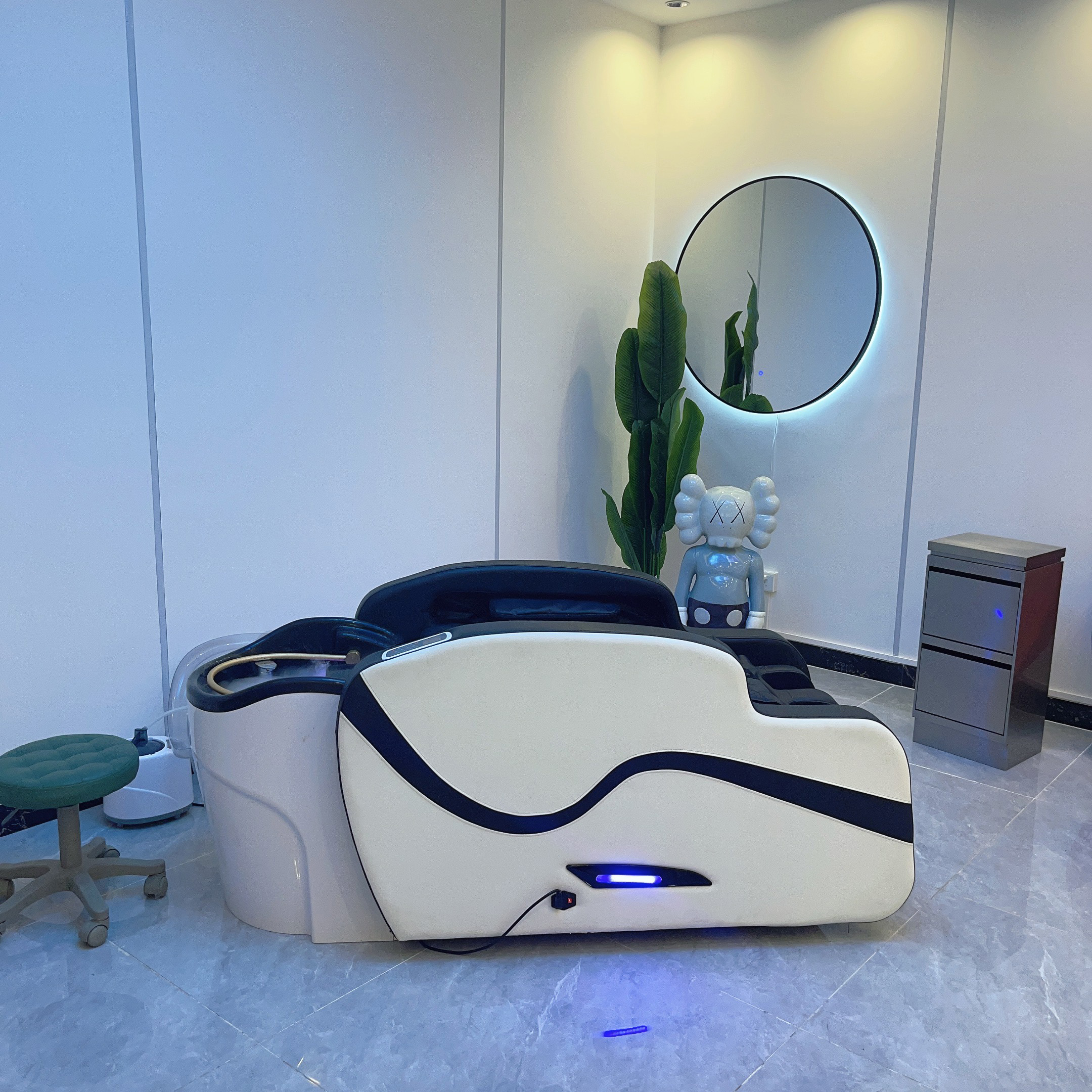
white salon 4 motors table salon electric massage massage bed for beauty shop beauty facial bed
I asked a veteran esthetician what matters most in a facial bed. Her answer surprised me: "I need the face cradle to adjust without making the client get up." That single insight changed how I look at facial beds.
Estheticians spend 6-10 hours a day working around their facial beds. Small design flaws become big problems over a work week. Here is everything you need to know about choosing the right facial bed for your business.
A facial bed — also called an esthetician bed, beauty bed, or treatment bed — is a specialized table designed for face-down and face-up facial treatments. Unlike a massage table, a facial bed is narrower and has a more adjustable face cradle for precise access to the client's face, neck, and décolletage.
Facial beds are used for facials, chemical peels, microdermabrasion, LED light therapy, extractions, mask treatments, and lash services. The right bed makes these treatments comfortable for the client and ergonomic for the esthetician.
The face cradle is arguably the most important part of any facial bed. Clients lie face-down for 30-60 minutes during extractions, masks, and treatments. If the face cradle is uncomfortable, the entire treatment experience suffers.
Adjustability is everything. The best face cradles adjust in height, angle, and forward/backward position. Some premium models even offer lateral tilt for clients with neck issues or limited mobility.
Cushion quality matters. Memory foam or thick padding prevents pressure points on the forehead and cheeks. Thin foam causes discomfort within 10 minutes. Look for at least 3-5cm of quality padding.
Breathability is essential. A cutout or mesh insert helps clients breathe comfortably while lying face-down. Some budget beds skip this feature entirely — avoid those.
For estheticians, electric facial beds are almost mandatory. During a facial, you need to adjust the backrest to different angles multiple times — flat for extractions, slightly raised for serums, upright for finishing products. With an electric bed, a foot pedal or remote does this silently without disturbing the client. With a manual bed, the client has to sit up while you pump the pedal.
Electric beds also offer smoother height adjustment, which is important when working on the face at eye level. The ability to raise or lower the bed by inches makes a huge difference in ergonomics over an 8-hour workday.
Manual hydraulic beds cost less ($400-1,000 vs $800-2,000) and are lighter, but they require more effort from the esthetician. For full-time professionals, electric is worth the investment.
Facial beds are typically narrower than massage tables — 60-70cm (24-28 inches). The esthetician needs to stand close to the client to work on their face, and a wider bed makes this awkward. However, 60cm feels cramped for larger clients. The sweet spot is 65-70cm.
Padding should be 5-8cm (2-3 inches) of high-density foam. Softer foam feels nice initially but breaks down within a year of daily use. High-density foam maintains its shape and support for years.
Weight capacity should be at least 200kg (440lbs). This ensures the bed accommodates all clients safely and remains stable during treatments.
These terms get confused all the time, but they serve different purposes:
Facial bed — Narrow, highly adjustable face cradle, electric adjustment. Best for facials, peels, microdermabrasion, extractions.
Lash bed — Similar to facial bed but optimized for face-up lash application. Often has removable face cradle and firmer padding.
Massage table — Wider, more padded, less adjustable face cradle. Best for full-body massage where clients need more width and cushioning.
If you offer multiple services, a quality electric facial bed with a removable face cradle can serve double duty for both facial and lash treatments.
Q: How much should I spend on a quality facial bed?
A: $800-2,000 for a good electric model with adjustable face cradle. Budget beds under $500 often have poor face cradles and weak motors that fail within a year.
Q: Can I use a massage table for facials?
A: You can, but massage tables are wider and have less adjustable face cradles, making facial work more difficult. A dedicated facial bed is better for professional estheticians.
Q: How long does a facial bed last?
A: With proper care, a quality electric facial bed lasts 5-10 years. Upholstery may need replacing every 3-5 years depending on usage and cleaning products.
Q: What brands make good facial beds?
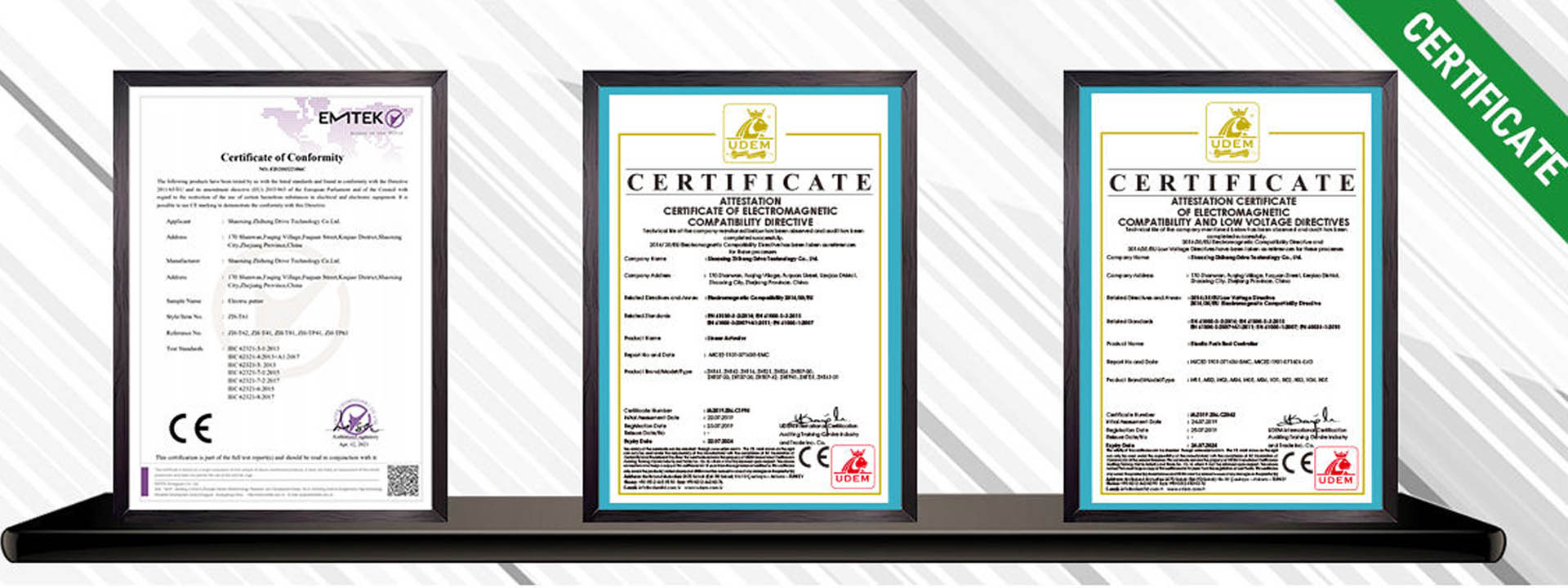
A: Daimi Beauty offers electric facial beds with CE-certified motors, adjustable face cradles, premium PU leather, and DDP shipping to US addresses. Custom colors available.
Check out our full range:
🛒 Browse Facial Beds:
View All →
Questions? WhatsApp: +86-15130181023
Person:Cathy
Email:daimibeauty@163.com
Website: www.daimibeauty.com
WhatsApp: +86-15130181023
Factory Address : Commercial Furniture Industrial Park, Foshan city ,Guangdong, China .
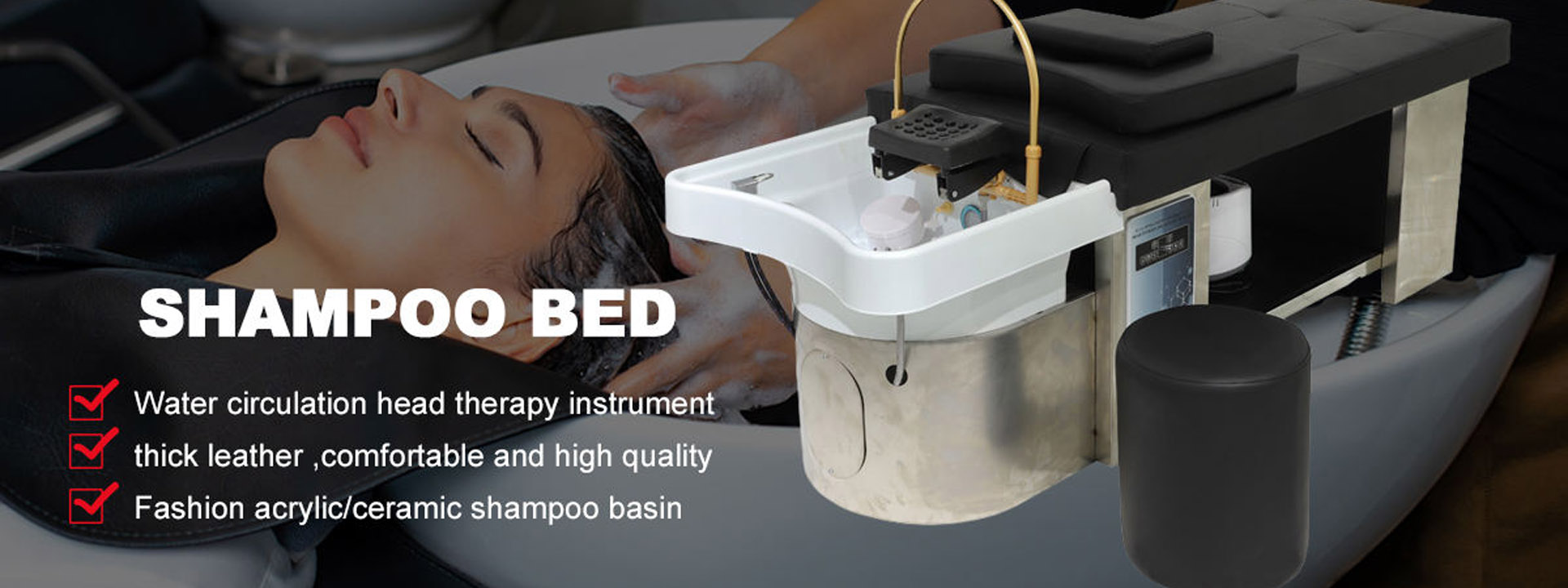
professional hair washing massage chair shampoo bowl bed spa heated head water therapy shampoo bed with steamer sitemap
Person:Cathy
Email:daimibeauty@163.com
Website: www.daimibeauty.com
WhatsApp: +86-15130181023
Factory Address : Commercial Furniture Industrial Park, Foshan city ,Guangdong, China .
professional hair washing massage chair shampoo bowl bed spa heated head water therapy shampoo bed with steamer sitemap